By: Linda Saxon, The Burg Watch
Today is the final advance voting day in the Town of Amherstburg. Before you head to the polls at the Libro Credit Union Centre or Anderdon Public School, you deserve to know exactly where the candidates stand on the legal rights of our disability community.
On Wednesday morning, a strict 48-hour written accountability audit was issued to ten candidates who agreed to participate. To protect the absolute integrity of this audit, every candidate received the exact same questions at the exact same minute and was bound by a strict 200-word limit per answer.
🔍 AT-A-GLANCE VOTER SUMMARY
Based on a strict journalistic analysis of the unedited platform text turned in by the candidates:
🟢 Candidates Pledging Reform (Siding with the Disability Community)
These candidates broke from Town Hall scripts, explicitly rejected bare minimum compliance standards, and pledged to vote for independent electronic voting options, comprehensive infrastructure freezes, expanded transit protections, or direct council-table accountability:
- Keith Boussey (Councillor Candidate)
- Saurabh Katara (Councillor Candidate)
- Jen DeLuca (Councillor Candidate)
🟡 Candidates Choosing the Middle Road (Maintaining the Status Quo)
These candidates relied heavily on defensive, administrative language. They actively defended the town’s current Multi-Year Plan, prioritized commercial street closure formats, or explicitly supported continuing the traditional advisory committee referral loop:
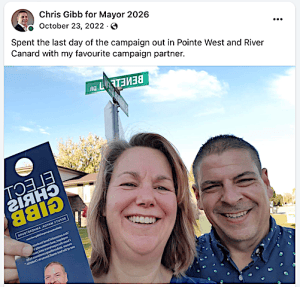
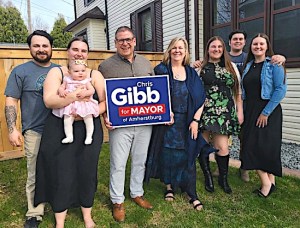
- Chris Gibb (Mayoral Candidate)
- TJ Botsford (Councillor Candidate) [Submitted in red text]
- Wes Ewer (Councillor Candidate) [0.6]
- Dhaval Prajapati (Councillor Candidate) [0.6]
- Stephanie Pouget-Papak (Councillor Candidate)
🟥 Candidates Who Broke Commitments / Failed to Respond
The following candidates formally accepted the invitation to participate in the audit on October 2nd, but failed to meet the strict 48-hour deadline to provide answers to the public:
- Peter Courtney (Councillor Candidate)
- Shawn LeBlanc (Councillor Candidate)
❌ Candidates Who Refused to Participate
The following remaining certified candidates completely ignored the formal audit invitation from day one and opted out of transparency with Amherstburg’s disability community:
- Bill Fryer (Mayoral Candidate)
- Michael Prue
- Linden Crain (Deputy Mayoral Candidate)
- Bill Petruniak (Deputy Mayoral Candidate)
- Molly Allaire (Councillor Candidate)
- Armand Anderson (Councillor Candidate)
- Frank Cleminson (Councillor Candidate)
- Lorne Dupuis (Councillor Candidate)
- Sonya Elliot (Councillor Candidate)
- Lena Lazanja (Councillor Candidate)
How to Read the Full Guide:
Below, the candidates’ raw, unedited responses are presented under each specific local policy theme. Instead of generic campaign platitudes, the focus is entirely on how these individuals plan to vote at the council table.
Question 1: Built Environment & Physical Infrastructure (Open Air)
The Background: Town Administration’s position on Open Air has consistently been that it is an accessible event. However, the documented experience of the disability community is completely different: residents face blocked sidewalks, inaccessible patios, a loss of accessible parking spaces, a lack of both type A and type B accessible parking spaces, improper signage, and physical barriers that prevent the use of their vehicles – considered assistive devices – to equally access the downtown core and local businesses.
The Question: When you are sitting at the council table and a vote comes forward to approve or modify Open Air configurations, will you vote to uphold administration’s current commercial guidelines, or will you vote to side with the disability community by demanding a halt to these street closures until full physical accessibility is structurally guaranteed?
Chris Gibb (Mayoral Candidate)
- Choice: Declined to halt closures
- Response: “”While the decision on the future of Open Air is up to Council I would certainly not demand a halt to street closures. Almost all of Amherstburg’s festivals and events involve street closures.”
- Analysis: Candidate Gibb explicitly declined to support a freeze on street closures.
TJ Botsford (Councillor Candidate)
- Choice: Upholds status quo
- Response: “I do see changes already taking shape with the Multi Year Accessibility plan that was released in April 2026. Hopefully with this plan and administration working with the Amherstburg Accessibility Advisory Committee adjustments can be made. I would love to see a collaborative plan that will benefit the town of Amherstburg, as well as the residents moving forward.”
- Analysis: Candidate Botsford declined to support a freeze on street closures, opting instead to trust the town’s current Multi-Year Accessibility Plan and defer future adjustments to the advisory committee loop.
Keith Boussey (Councillor Candidate)
- Choice: Siding with disability community
- Response: “I have said from the beginning that I believe Open Air needs to be reviewed and accessibility is a big part of that. I understand that Open Air is enjoyed by many residents and benefits some downtown businesses. However, I also believe that everyone, including those with disabilities, deserves the same opportunity to access our downtown businesses and services. If residents with disabilities are experiencing blocked sidewalks, inadequate accessible parking or other barriers, then we have a problem that needs to be addressed. I would not support continuing with the current Open Air configuration if it means residents with disabilities cannot safely and reasonably access our downtown. Before supporting any future street closures, I would want a proper accessibility review completed, with direct involvement from the disability community and a plan put in place to address any short falls. I’ve always believed there can be a balance that works for residents, businesses and visitors, but that balance cannot come at the expense of accessibility. Everyone deserves to be heard and everyone deserves equal access to our community.”
- Analysis: Candidate Boussey took a definitive stance, explicitly pledging to withhold support for future street closures until a comprehensive accessibility review is completed with direct input from the disability community.
Peter Courtney (Councillor Candidate) 🟥 FAILED TO RESPOND / BROKE AUDIT COMMITMENT
This candidate formally committed to participating in The Burg Watch Accessibility Audit on October 2nd, but failed to submit their policy stances by the strict Friday 9:00 AM legal deadline.
Jen DeLuca (Councillor Candidate)
- Choice: Siding with disability community
- Response: “I support a vibrant, accessible downtown, but accessibility must be considered from the beginning, not after problems arise. I would not automatically approve Open Air configurations that create barriers for people with disabilities. I would expect Council to review concerns about sidewalks, accessible parking, signage, patios, and vehicle access before approving closures. I have noticed that the accessible spaces during Open Air are too narrow for a ramp if all the spots are full. If a configuration prevents equal access, I would support changes. If I am unable to vote on Open Air, I can still advocate for changes that residents need to create equal access to downtown.”
- Analysis: Candidate DeLuca noted that she would not automatically approve configurations creating barriers and specifically highlighted that current Open Air accessible parking spaces are too narrow to deploy a mobility ramp safely.
Wes Ewer (Councillor Candidate)
- Choice: Undecided
- Response: Accessibility is not optional. Every resident should be able to access our downtown, businesses, and community events, and concerns raised by people with disabilities deserve to be heard and addressed. The purpose of the Accessibility for Ontarians with Disabilities Act (AODA) is to identify and remove barriers to accessibility, and municipalities have a responsibility to continuously work toward that goal. If elected, I would not approach this issue as a choice between accessibility and community events. I believe we can and should have both. When accessibility concerns are identified, Council should work with administration, businesses, accessibility advocates, and residents with lived experience to understand the barriers and implement practical solutions. The Ontario Human Rights Commission emphasizes the importance of accommodating disabilities and removing barriers to ensure equal access to services and facilities. I am not an accessibility expert, which is why I believe listening to those with lived experience is important. If evidence shows barriers exist, I would support reasonable changes to improve accessibility. My goal would be to make Open Air as accessible as possible while continuing to support a vibrant and welcoming downtown for everyone.”
- Analysis: Candidate Ewer declined to support a freeze on street closures, stating he does not view the issue as a choice between accessibility and events, and aiming instead to make the existing setup “as accessible as possible.”
Saurabh Katara (Councillor Candidate)
- Choice: Siding with disability community
- Response: “Open Air can have real community value, and as I told you in July, I will work to remove barriers that deny people with disabilities equal access. Accessibility cannot be something residents are expected to give up for the event to work. Before approving a future configuration, I would expect a documented accessibility review developed with people who use mobility devices and others directly affected. It should address continuous unobstructed routes, Type A and Type B accessible parking, drop-off locations, patio placement, signage, washrooms, crossings and enforcement. Identified barriers should have corrective actions, responsible parties and timelines, not simply be acknowledged. I would not automatically preserve the current guidelines. I also would not decide in advance that every closure must end before Council has seen the actual conditions and the corrections available. If the evidence shows that a configuration cannot provide accessible use of the downtown, I would support the changes to its frequency, footprint or hours needed to correct the barrier. My standard is simple: Open Air should work for the whole community.”
- Analysis: Candidate Katara explicitly rejected automatically preserving the town’s current commercial guidelines, committing instead to vote for a comprehensive accessibility review with fixed corrective timelines, and pledging to alter the event’s footprint or frequency if barriers cannot be resolved.
Candidate: Shawn LeBlanc 🟥 FAILED TO RESPOND / BROKE AUDIT COMMITMENT
This candidate formally committed to participating in The Burg Watch Accessibility Audit on October 2nd, but failed to submit their policy stances by the strict Friday 9:00 AM legal deadline.
Stephanie Pouget-Papak (Councillor Candidate)
- Choice: Undecided
- Response: Accessibility must be an important consideration in municipal planning, infrastructure, and public events. Decisions regarding Open Air should be informed by the experiences of residents, applicable accessibility legislation, public safety requirements, and the practical implications of proposed configurations. The Accessibility for Ontarians with Disabilities Act (AODA) and its associated standards provide an important framework for evaluating accessibility obligations. As a member of Council, I would expect accessibility concerns to be properly documented, assessed, and considered alongside operational requirements and the broader public interest. This includes examining barriers to pedestrian movement, accessible parking, business access, and the use of mobility devices. I would not consider this a decision that should be reduced to choosing between administration and the disability community. Effective governance requires listening to residents, evaluating the available evidence, and working toward practical, legally informed solutions. Any decision would need to be based on the specific circumstances, the information available to Council, and the options presented.”
- Analysis: Candidate Pouget-Papak declined to commit to a freeze on street closures, stating she does not view the issue as a choice between administration and the disability community.
Dhaval Prajapati (Councillor Candidate)
- Choice: Upholds status quo
- Response: “I have attended Open Air many times, including with my family and a stroller, and I have seen the Town make changes to improve accessibility, including parking arrangements during the event. I think it is important to recognize that efforts are already being made. Does that mean everything is perfect? Absolutely not. There is always room for improvement, and if residents are experiencing difficulties, we should listen to their concerns and see what can be done. I think the best approach is to continue improving Open Air based on feedback from residents. We should recognize the progress already made while identifying areas that need more attention. Accessibility should be part of planning the event every year, not something we only discuss when concerns are raised.”
- Analysis: Candidate Prajapati provided no explicit policy decision or structural analysis regarding a street closure halt. He opted instead to defend existing administrative efforts based on personal stroller use and supported continuing the event format under the status quo.
| Bill Fryer (Mayor Candidate | 🟥 No Response | REFUSED TO PARTICIPATE |
| Michael Prue (Mayor Candidate) | 🟥 No Response | REFUSED TO PARTICIPATE |
| Linden Crain (Deputy Mayor Candidate) | 🟥 No Response | REFUSED TO PARTICIPATE |
| Bill Petruniak (Deputy Mayor Candidate) | 🟥 No Response | REFUSED TO PARTICIPATE |
| Molly Allaire (Councillor Candidate) | 🟥 No Response | REFUSED TO PARTICIPATE |
| Armand Anderson (Councillor Candidate) | 🟥 No Response | REFUSED TO PARTICIPATE |
| Frank Cleminson (Councillor Candidate) | 🟥 No Response | REFUSED TO PARTICIPATE |
| Lorne Dupuis (Councillor Candidate) | 🟥 No Response | REFUSED TO PARTICIPATE |
| Sonya Elliot (Councillor Candidate) | 🟥 No Response | REFUSED TO PARTICIPATE |
| Lena Lazanja (Councillor Candidate) | 🟥 No Response | REFUSED TO PARTICIPATE |
Question 2: Communications & Digital Accessibility
The Background: Town Administration’s position is that Amherstburg actively encourages public input. However, the lived experience of disabled residents is that administration uses procedural by-laws to block public delegations on critical accessibility topics, some of the public’s online survey feedback for the Multi-Year Accessibility Plan was left out of final staff reports altogether, public feedback is ignored, and local digital platforms still fail standard usability criteria.
The Question: When sitting at the council table, will you vote to uphold administration’s restrictive procedural rules that filter public input, or will you vote to override staff guidelines to ensure that all virtual feedback and public delegations from the disability community are fully heard, legally protected, and a variety of methods to provide input is available?
Chris Gibb (Mayoral Candidate)
- Choice: Undecided
- Response: It is my hope that council will come up with their own procedural By-law and stick to it by ensuring proper public notice is given going forward.
- Analysis: Candidate Gibb utilized passive language rather than pledging a decisive vote to override administration’s restrictive procedural limits on public accessibility delegations.
TJ Botsford (Councillor Candidate)
- Choice: Defended status quo
- Response: “This has been a much discussed topic for the past few years. Council meetings are business meetings that have a $65 million dollar per year budget. Council meetings have procedural by-laws that dictate agenda, speaking limits and other orders of business. If this procedural by-law is brought back to a newly elected council I would be interested in seeing if it can be tweaked. Until that time I would need to see what a new by-law would look like and how it would operate compared to prior years. If elected, I will remain approachable and remain open to listening to residents and having conversations with them.”
- Analysis: Candidate Botsford defended the town’s current restrictive meeting structures by framing council strictly as a “business meeting.” He declined to commit to an accessibility override of delegation rules, offering only to see if the by-law can be “tweaked” in the future
Keith Boussey (Councillor Candidate)
- Choice: Siding with disability community
- Response: “I believe every resident deserves to have their voice heard, including those living with disabilities. If elected, I would support reviewing and changing any rules or procedures that unfairly prevent residents from bringing their concerns forward. Public input should never be ignored and all feedback should be properly reviewed and considered before decisions are made. I also believe residents should have different ways to provide input, whether that’s in person, online or in writing. Not everyone has the same ability to attend meetings or use technology. My position – Town Hall should be listening to residents, not making it harder for them to be heard. I will always support fairness, accessibility and open communication for everyone.
- Analysis: Candidate Boussey took a firm position, explicitly committing to review and change municipal meeting procedures that restrict public delegations and accessibility feedback at Town Hall.
Peter Courtney (Councillor Candidate) 🟥 FAILED TO RESPOND / BROKE AUDIT COMMITMENT
This candidate formally committed to participating in The Burg Watch Accessibility Audit on October 2nd, but failed to submit their policy stances by the strict Friday 9:00 AM legal deadline.
Jen DeLuca (Councillor Candidate)
- Choice: Siding with disability community
- Response: “I believe every resident deserves to be heard, and accessibility concerns should never be dismissed. I would support reviewing our procedures to ensure residents can provide input and concerns through delegations, online feedback, written forms and other accessible methods that are helpful and meet their needs. Public feedback must be accurately recorded, included in staff reports, and genuinely considered before decisions are made. I want Council to encourage open dialogue, not create barriers to participation. We cannot make good decisions for our community if we are not listening to the people affected.”
- Analysis: Candidate DeLuca committed to ensuring public feedback is accurately recorded and fully included in staff reports, explicitly stating that Council must encourage open dialogue rather than creating barriers to participation.
Wes Ewer (Councillor Candidate)
- Choice: Undecided
- Response: “Meaningful public engagement is essential to good local government. Residents should have reasonable opportunities to share their perspectives, especially when discussing accessibility and the removal of barriers. The Accessibility for Ontarians with Disabilities Act (AODA) specifically recognizes the importance of involving people with disabilities in identifying barriers and improving accessibility. I do not believe it is productive to assume that administration is intentionally blocking public input. Municipal governments operate within established procedural rules designed to ensure meetings are orderly, fair, and effective. However, that does not mean those processes cannot be reviewed and improved when concerns are raised. Amherstburg residents already have multiple ways to connect with Council and Administration, including email, telephone, in-person meetings, delegations, committee meetings, and public consultation opportunities. My focus would be on ensuring those avenues are accessible, effective, and well communicated. As a councillor, I would listen carefully to residents with lived experience and remain open to improvements that increase accessibility and public participation. The goal should not be conflict between residents and administration, but rather collaboration that helps identify barriers and develop practical solutions that allow more people to participate in local government.”
- Analysis: Candidate Ewer explicitly defended municipal staff, stating he does not believe administration is intentionally blocking input, and declined to pledge any council-led overrides to protect disabled delegations
Saurabh Katara (Councillor Candidate)
- Choice: Siding with disability community
- Response: “I would not support procedural rules being used to prevent disability-related concerns from reaching Council. Council establishes its procedure by-law and is responsible for ensuring public participation is fair, accessible and lawful. I would support reviewing delegation and correspondence rules with the Accessibility Advisory Committee and residents who have experienced barriers. People should be able to participate through accessible options, including in-person delegations, written submissions, virtual participation and reasonable accommodations. Disability-related feedback should be retained, summarized accurately and provided to Council before it makes the relevant decision. Fair meeting rules are still necessary so everyone receives an orderly and equitable opportunity to participate. However, format, technology or a procedural technicality should not silence someone who requires an accommodation. If existing rules produce that result, I would support amending them. I would also support regular accessibility testing of public-facing digital tools and an accessible alternative when a platform creates a barrier. A transparent response process should show what concerns were received, what action was taken and, where a request was not adopted, why. Public feedback is meaningful only when residents can see how Council considered it.”
- Analysis: Candidate Katara took a definitive position, explicitly pledging to vote to amend procedural technicalities or meeting formats if they silence individuals requiring accommodations, while demanding a transparent feedback reporting process.
Candidate: Shawn LeBlanc 🟥 FAILED TO RESPOND / BROKE AUDIT COMMITMENT
This candidate formally committed to participating in The Burg Watch Accessibility Audit on October 2nd, but failed to submit their policy stances by the strict Friday 9:00 AM legal deadline.
Stephanie Pouget-Papak (Councillor Candidate)
- Choice: Undecided
- Response: Meaningful public engagement is an important part of responsible municipal governance. Residents should have reasonable opportunities to communicate concerns, contribute their experiences, and participate in discussions that affect their ability to access municipal services and public spaces. The Municipal Act, 2001, establishes a framework for municipal governance, while the AODA and applicable accessibility standards inform the Town’s responsibilities regarding accessibility. These obligations must be considered alongside established procedures, statutory requirements, and the practical operation of Council meetings. As a member of Council, I would support examining whether existing communication methods and public participation processes are meeting residents’ needs. This includes considering digital accessibility, the availability of alternative methods of providing feedback, and how public input is documented and incorporated into decision-making. Public participation must be meaningful, and concerns should be considered through appropriate processes. At the same time, the effectiveness of those processes should be evaluated using evidence, applicable legislation, and established municipal responsibilities. My focus would be on ensuring that opportunities for engagement remain accessible, transparent, and consistent with the requirements governing municipal decision-making.”
- Analysis: Candidate Pouget-Papak utilized formal administrative language regarding “established procedures” and “statutory requirements,” declining to commit to overriding council’s restrictive procedural rules on public accessibility delegations.
Dhaval Prajapati (Councillor Candidate)
- Choice: Undecided
- Response: I have said many times throughout my campaign that we need better communication between the Town and residents. This includes making sure people have different ways to share their concerns, especially those who cannot attend council meetings in person. I understand that council meetings need rules and procedures, but we should also consider whether those rules make it difficult for some residents to participate. When someone takes the time to complete a survey or provide feedback, I would expect that information to be included and considered. If that is not happening, we should find out why. I do not know all the circumstances behind the concerns mentioned in this question, so I would rather understand what happened before making assumptions about anyone.
- Analysis: Candidate Prajapati provided no explicit policy decision regarding a procedural override. He used non-committal language to avoid taking a stand, stating he lacks knowledge of the circumstances and declining to support an immediate change to delegation gatekeeping rules.
| Bill Fryer (Mayor Candidate | 🟥 No Response | REFUSED TO PARTICIPATE |
| Michael Prue (Mayor Candidate) | 🟥 No Response | REFUSED TO PARTICIPATE |
| Linden Crain (Deputy Mayor Candidate) | 🟥 No Response | REFUSED TO PARTICIPATE |
| Bill Petruniak (Deputy Mayor Candidate) | 🟥 No Response | REFUSED TO PARTICIPATE |
| Molly Allaire (Councillor Candidate) | 🟥 No Response | REFUSED TO PARTICIPATE |
| Armand Anderson (Councillor Candidate) | 🟥 No Response | REFUSED TO PARTICIPATE |
| Frank Cleminson (Councillor Candidate) | 🟥 No Response | REFUSED TO PARTICIPATE |
| Lorne Dupuis (Councillor Candidate) | 🟥 No Response | REFUSED TO PARTICIPATE |
| Sonya Elliot (Councillor Candidate) | 🟥 No Response | REFUSED TO PARTICIPATE |
| Lena Lazanja (Councillor Candidate) | 🟥 No Response | REFUSED TO PARTICIPATE |
Question 3: Advisory Committee Referral Evasion
The Background: Council’s historical position has been to refer accessibility complaints and delegation requests directly to the Amherstburg Accessibility Advisory Committee, framing this as consulting the experts. However, the documented reality is that this is an advisory body with zero policy-making power and a lack of municipal training. Under the AODA, the legal liability rests solely with Town Council, not an advisory committee.
The Question: When an accessibility issue comes before town council, will you vote to end this practice of bouncing and burying items in the advisory committee, and will you commit to taking immediate legislative accountability by making the final policy votes directly at the council table?
Chris Gibb (Mayoral Candidate)
- Choice: Deferred to committee
- Response: “The Accessibility Advisory Committee is legislated by the province, it is my hope that their important work as the official voice for accessibility in Amherstburg continues and is valued by all.”
- Analysis: Candidate Gibb opted not to commit to ending council’s practice of bouncing accessibility files to the advisory body.
TJ Botsford (Councillor Candidate)
- Choice: Evaded question
- Response: “The AODA makes it mandatory that any municipality that has a population over 10,000 is required to have an Accessibility Advisory Committee. Their work with administration and council should be respected and valued.”
- Analysis: Candidate Botsford completely evaded the question regarding council using the committee as a dumping ground for files. Instead of committing to direct council votes, he chose to cite mandatory population thresholds to defend the current framework.
Keith Boussey (Councillor Candidate)
- Choice: Siding with disability community
- Response: “I believe the Town Council needs to take responsibility for the decisions it makes and accessibility issues should be no different.The Accessibility Advisory Committee plays an important role in providing advice and recommendations, but at the end of the day, Council is responsible for making the final decisions. If elected, I would support making sure accessibility concerns are brought forward to Council, discussed openly and dealt with in a timely manner. I don’t believe in passing issues from one committee to another without getting anything resolved. My position – Listen to the people affected, get the information needed and make a decision. That’s what residents should expect from their elected councillors.”
- Analysis: Candidate Boussey took a definitive position, explicitly rejecting the practice of bouncing files between committees and pledging that Council must take direct responsibility for accessibility decisions at the main table.
Peter Courtney (Councillor Candidate) 🟥 FAILED TO RESPOND / BROKE AUDIT COMMITMENT
This candidate formally committed to participating in The Burg Watch Accessibility Audit on October 2nd, but failed to submit their policy stances by the strict Friday 9:00 AM legal deadline.
Jen DeLuca (Councillor Candidate)
- Choice: Siding with disability community
- Response: “I value the knowledge and experience of the Amherstburg Accessibility Advisory Committee, but referring an issue to a committee cannot replace Council’s responsibility to act. I hope and would expect accessibility concerns to receive proper attention, clear follow-up, and appropriate decisions. Council must remain accountable for the policies and decisions it approves. I would support better training, meaningful consultation, and bringing recommendations back to Council for action. Accessibility cannot simply be passed along without resolution.”
- Analysis: Candidate DeLuca explicitly stated that referring issues to a committee cannot replace Council’s final responsibility to act, rejecting the practice of passing accessibility items along without structural resolution.
Wes Ewer (Councillor Candidate)
- Choice: Defended current system
- Response: “I believe the best decisions are made through collaboration, not isolation. Accessibility issues are often complex, and I see real value in seeking input from the Amherstburg Accessibility Advisory Committee and from residents with lived experience. In fact, the Accessibility for Ontarians with Disabilities Act (AODA) requires municipalities of a certain size to have Accessibility Advisory Committees because the Province recognizes the importance of including people with disabilities in identifying barriers and improving accessibility. I do not view consulting the committee as “bouncing” or “burying” an issue. Those statements dimmish their work. On the contrary, it is an opportunity to gather facts, hear from those most affected, and better understand the real-world impact of decisions before Council acts. At the same time, Council cannot delegate away its responsibility. Advisory committees provide recommendations, but elected officials are ultimately accountable for making the final decisions and setting policy. If elected, I would support a process where Council receives input from the Accessibility Advisory Committee, administration, and residents, then makes informed decisions based on evidence, expertise, and lived experience. Good policy comes from listening first and deciding second.”
- Analysis: Candidate Ewer explicitly defended the council’s current practice, rejecting the assertion that referring items to the committee is an evasion tactic, and supported continuing the existing recommendation model.
Saurabh Katara (Councillor Candidate)
- Choice: Siding with disability community
- Response: “The Accessibility Advisory Committee has an important statutory role, including advising Council on accessibility standards, reports and selected site plans. Its expertise and lived experience should inform municipal decisions. However, it is an advisory body; it does not replace Council’s responsibility to make policy, budget and by-law decisions. I would not support referring an issue to the Committee simply to remove it from Council’s agenda or delay a decision indefinitely. When a referral is appropriate, the motion should identify the question, establish a reasonable reporting date and require the recommendation to return publicly to Council. Residents who raised the matter should be told what happened next. Council must then consider the Committee’s advice alongside direct input from affected residents, staff analysis, legal obligations, operational requirements and financial implications, and make the final decision in public. If an immediate barrier can be corrected administratively, staff should address it promptly rather than wait for a lengthy committee process. My position is clear: use the Committee for the advice it was created to provide, but never as a substitute for Council accountability. Final responsibility remains with Council.”
- Analysis: Candidate Katara explicitly pledged to oppose using advisory committee referrals as a political tactic to remove items from Council’s agenda, demanding strict reporting dates and direct, public votes at the main council table.
Candidate: Shawn LeBlanc 🟥 FAILED TO RESPOND / BROKE AUDIT COMMITMENT
This candidate formally committed to participating in The Burg Watch Accessibility Audit on October 2nd, but failed to submit their policy stances by the strict Friday 9:00 AM legal deadline.
Stephanie Pouget-Papak (Councillor Candidate)
- Choice: Undecided
- Response: “Advisory committees serve an important role in municipal governance by providing perspectives, identifying concerns, and informing Council’s understanding of complex issues. The Amherstburg Accessibility Advisory Committee can contribute valuable insight into the experiences of residents and potential barriers within the community. However, an advisory committee and municipal Council have different roles. Council is responsible for municipal decisions within its authority, while committees provide advice and recommendations that can help inform those decisions. Referring an issue for additional consideration should not be confused with resolving the issue itself. The AODA establishes accessibility obligations for municipalities, and these responsibilities must be considered in the context of applicable legislation and municipal governance. As a member of Council, I would support a process in which accessibility concerns receive appropriate consideration, relevant expertise is sought, and recommendations are evaluated in a timely and transparent manner. The appropriate course of action will depend on the nature of the concern, the information available, and the authority required to address it. Effective governance requires both meaningful consultation and appropriate decision-making. These functions should complement one another in the pursuit of practical, accountable solutions.”
- Analysis: Candidate Pouget-Papak agreed that referring an item is not the same as resolving it, but she declined to commit to ending the referral practice, arguing instead that committee consultations and council votes should continue to complement each other.
Dhaval Prajapati (Councillor Candidate)
- Choice: Undecided
- Response: “I think we need to understand why we have an Accessibility Advisory Committee in the first place. We have people on this committee who spend their time reviewing accessibility issues and providing recommendations. Why wouldn’t we use their knowledge But referring an issue to a committee should not be the end of the discussion. What happens after that? Does the issue come back to council? Are recommendations being considered? Is anything actually getting done? Council is ultimately responsible for making decisions, and I don’t think anyone is questioning that. What matters is making sure the process actually leads somewhere.”
- Analysis: Candidate Prajapati took a non-committal stance, choosing to question the efficiency of the committee referral process while simultaneously defending its ongoing use. He declined to pledge an end to council’s habit of bouncing files to the advisory body
| Bill Fryer (Mayor Candidate | 🟥 No Response | REFUSED TO PARTICIPATE |
| Michael Prue (Mayor Candidate) | 🟥 No Response | REFUSED TO PARTICIPATE |
| Linden Crain (Deputy Mayor Candidate) | 🟥 No Response | REFUSED TO PARTICIPATE |
| Bill Petruniak (Deputy Mayor Candidate) | 🟥 No Response | REFUSED TO PARTICIPATE |
| Molly Allaire (Councillor Candidate) | 🟥 No Response | REFUSED TO PARTICIPATE |
| Armand Anderson (Councillor Candidate) | 🟥 No Response | REFUSED TO PARTICIPATE |
| Frank Cleminson (Councillor Candidate) | 🟥 No Response | REFUSED TO PARTICIPATE |
| Lorne Dupuis (Councillor Candidate) | 🟥 No Response | REFUSED TO PARTICIPATE |
| Sonya Elliot (Councillor Candidate) | 🟥 No Response | REFUSED TO PARTICIPATE |
| Lena Lazanja (Councillor Candidate) | 🟥 No Response | REFUSED TO PARTICIPATE |
Question 4: Transit Mobility & Accessible Housing Infrastructure
The Background: Town Administration’s position is that our transit routes are compliant because buses feature standard ramps, and they defer housing policies to regional county-wide strategies. However, the lived reality is that standard routes only accommodate two wheelchairs at a time—leaving disabled riders stranded on the sidewalk if a bus is full—while specialized door-to-door services like CareLink operate on strictly limited hours. Furthermore, new housing developments continue to be built to bare minimum building codes, leaving a severe shortage of universally accessible units.
The Question: When voting on upcoming infrastructure budgets, will you vote to accept the minimum status quo defined by administration, or will you introduce specific motions to fund expanded accessible transit hours and mandate universal design accessibility minimums for all new residential builds in Amherstburg?
Chris Gibb (Mayoral Candidate)
- Choice: Maintained status quo
- Response: “I will vote to ensure Amherstburg continues to consistently improve accessibility where ever reasonable and possible.”
- Analysis: By utilizing the administrative clause “wherever reasonable and possible,” Candidate Gibb declined to pledge new local funding motions for expanded transit hours.
TJ Botsford (Councillor Candidate)
- Choice: Status quo
- Response: “The Transit Windsor contract with the town of Amherstburg is set to expire at the end of August 2029. Transit Windsor conventional buses comply with the accessibility standards set out in the AODA. In regards to CareLink operation hours, that would be something to discuss with Amherstburg Community Services in the future to see if any changes can be made since they provide that valuable service to our residents.”
- Analysis: Candidate Botsford declined to support new local funding motions for transit improvements, citing minimum AODA compliance guidelines and deferring specialized CareLink hours to external service providers.
Keith Boussey (Councillor Candidate)
- Choice: Supported review
- Response: “I believe everyone deserves reliable transportation and access to housing that meets their needs, regardless of their abilities. If residents are being left behind because buses cannot accommodate them, then we need to look at ways to improve the service. The same goes for CareLink and its limited hours of operation.When it comes to new housing developments, I believe accessibility should be considered right from the planning stages, not as an afterthought. If elected, I would support reviewing our transit services and housing requirements and bringing forward improvements where needed. I would also look at the costs and available funding before making financial commitments. My position – Meeting minimum standards doesn’t always mean we’re meeting the needs of our residents. We need to listen, look at what can be improved and make responsible decisions that work for everyone.”
- Analysis: Candidate Boussey explicitly rejected relying on bare minimum administrative standards, acknowledging current transit and CareLink gaps, and pledging to support local reviews for structural improvements.
Peter Courtney (Councillor Candidate) 🟥 FAILED TO RESPOND / BROKE AUDIT COMMITMENT
This candidate formally committed to participating in The Burg Watch Accessibility Audit on October 2nd, but failed to submit their policy stances by the strict Friday 9:00 AM legal deadline.
Jen DeLuca (Councillor Candidate)
- Choice: Siding with disability community
- Response: “I believe accessibility must be part of responsible planning and budgeting. I would support reviewing transit services, including CareLink operating hours and capacity, to identify gaps and practical improvements. I would also ask the regular users of CareLink for any feedback that would help in making transportation easier and more convenient. I would also strongly support universally designed housing so residents with disabilities, seniors, and families can live independently and safely. I would work with the County and other partners where responsibilities are shared, while ensuring Amherstburg does its part. We should plan for the needs of our growing community rather than settle for the bare minimum.”
- Analysis: Candidate DeLuca rejected settling for the administrative “bare minimum” and backed specific service reviews for CareLink operating hours and transit capacity alongside a strong endorsement for universally designed local housing.
Wes Ewer (Councillor Candidate)
- Choice: Status quo
- Response: “Accessible transportation and housing are important issues, and I believe decisions in these areas should be guided by data, community input, and the lived experiences of the people who rely on these services every day. I am not prepared to commit to specific spending increases or regulatory changes without first understanding the costs, benefits, legal authority, and long-term impacts involved. If elected, I would support reviewing concerns related to transit accessibility, including whether current services are meeting the needs of residents with disabilities, and working with the appropriate service providers and community partners to identify opportunities for improvement. On housing, I recognize the value of accessibility and universal design principles. At the same time, municipalities must operate within the framework established by provincial legislation and building codes. Any proposal that goes beyond those requirements should be carefully evaluated to understand its impact on housing affordability, development, and the Town’s legal authority. My approach would be to listen, learn, and base decisions on facts, expert advice, and lived experience. Good policy starts with understanding the problem and working collaboratively to find practical solutions that improve accessibility for all residents.”
- Analysis: Candidate Ewer explicitly declined to commit to specific spending increases or local regulatory changes, choosing to operate within bare minimum provincial building codes and standard administrative cost reviews.
Saurabh Katara (Councillor Candidate)
- Choice: Supported service reviews
- Response: “I would not accept minimum compliance as the end of Amherstburg’s accessibility work. I support improvements in accessible transportation and housing, but any commitment must account for demand, cost, legal authority and effects on other services. For transit, I would support a motion directing staff to report on unmet trips, operating hours, wheelchair capacity, booking barriers and how CareLink and specialized transportation connect with regular service. The report should include rider input and costed options: expanded hours, added capacity or partnerships. I would weigh the options against the Town’s finances and other priorities and support the one that best addresses a documented gap at a sustainable cost. For housing, Ontario’s Building Code sets provincial construction requirements, so Council cannot simply impose a conflicting local standard. I would ask staff what the Town can do through lawful tools: accessibility requirements for Town-owned projects, planning policies where permitted, incentives and partnerships, and advocacy to the Province for stronger universal-design requirements. Builders and residents with disabilities should be involved early. I won’t promise outcomes before seeing the numbers. I will ask for the information and report my vote publicly.”
- Analysis: Candidate Katara explicitly rejected relying on bare minimum compliance, pledging instead to introduce an immediate motion for a data-driven report to resolve CareLink capacity gaps and specialized transit booking barriers.
Candidate: Shawn LeBlanc 🟥 FAILED TO RESPOND / BROKE AUDIT COMMITMENT
This candidate formally committed to participating in The Burg Watch Accessibility Audit on October 2nd, but failed to submit their policy stances by the strict Friday 9:00 AM legal deadline.
Stephanie Pouget-Papak (Councillor Candidate)
- Choice: Maintained status quo
- Response: “Accessible transportation and housing are important considerations when planning a community that serves residents at different stages of life and with different mobility needs. These issues require careful consideration of current service provision, infrastructure, development standards, funding, and the responsibilities of the various levels of government. The AODA and Ontario’s Building Code establish relevant accessibility requirements within their respective scopes. Municipal planning and infrastructure decisions must also be considered within the Town’s legislative authority and financial capacity. As a member of Council, I would support reviewing identified transportation barriers, the availability and limitations of existing services, and opportunities to improve accessibility. This would include examining service demand, operational constraints, potential partnerships, and the financial implications of proposed improvements. Similarly, housing accessibility should be considered through the appropriate planning and development processes, recognizing the distinction between existing regulatory requirements and additional standards that may be available to municipalities to implement. I would approach these matters by examining the evidence, identifying areas where improvements may be possible, and evaluating options through the budget and policy processes. The objective should be to pursue practical improvements while ensuring decisions are financially responsible, legally supportable, and consistent with the Town’s authority.”
- Analysis: Candidate Pouget-Papak relied heavily on administrative language regarding “financial capacity” and “operational constraints,” declining to commit to new local funding motions for transit or mandating universal housing design minimums.
Dhaval Prajapati (Councillor Candidate)
- Choice: Status quo
- Response: “I think we can all agree that transportation should work for the people who depend on it. We already have Windsor Transit serving Amherstburg, and I would like to see us work with our transit providers on concerns about wheelchair spaces and service hours, including services like CareLink. When it comes to housing, I think we need a variety of options in Amherstburg. Families, seniors, young people and residents with disabilities all have different needs and budgets. One type of housing is not going to work for everyone. But I also worry about affordability. Building a home is already expensive, and requiring every new home to meet additional standards could increase those costs. I think having more housing choices, including accessible homes, makes more sense than applying the same requirements to every home.”
- Analysis: Candidate Prajapati explicitly rejected mandating universal design accessibility standards for new residential builds, citing builder and affordability costs. He declined to pledge new municipal funding motions, choosing to defer transit and CareLink gaps to ongoing discussions with existing providers.
| Bill Fryer (Mayor Candidate | 🟥 No Response | REFUSED TO PARTICIPATE |
| Michael Prue (Mayor Candidate) | 🟥 No Response | REFUSED TO PARTICIPATE |
| Linden Crain (Deputy Mayor Candidate) | 🟥 No Response | REFUSED TO PARTICIPATE |
| Bill Petruniak (Deputy Mayor Candidate) | 🟥 No Response | REFUSED TO PARTICIPATE |
| Molly Allaire (Councillor Candidate) | 🟥 No Response | REFUSED TO PARTICIPATE |
| Armand Anderson (Councillor Candidate) | 🟥 No Response | REFUSED TO PARTICIPATE |
| Frank Cleminson (Councillor Candidate) | 🟥 No Response | REFUSED TO PARTICIPATE |
| Lorne Dupuis (Councillor Candidate) | 🟥 No Response | REFUSED TO PARTICIPATE |
| Sonya Elliot (Councillor Candidate) | 🟥 No Response | REFUSED TO PARTICIPATE |
| Lena Lazanja (Councillor Candidate) | 🟥 No Response | REFUSED TO PARTICIPATE |
Question 5: Election Formats & Voter Access
The Background: Town Administration recommended continuing with in-person voting only, which council adopted in a 5-2 vote. During the debate, Deputy Mayor Chris Gibb defended the in-person paper model by stating, “to offer people in home voting. I mean, it can’t get more accessible than that.” However, the lived reality of the disability community is that traditional paper-only voting remains the least accessible voting method, causing a severe drop in voter turnout among disabled residents who want independent, private internet voting options.
The Question: When voting on election procedures, will you vote to uphold the restrictive paper-only, in-person voting system, or will you introduce motions to implement secure internet and remote electronic voting options to guarantee all residents with disabilities can cast an independent and accessible ballot?
Chris Gibb (Mayoral Candidate)
- Choice: Undecided
- Response: “I am open to all options as technology develops and improves.”
- Analysis: Candidate Gibb declined to commit to introducing or backing local motions for secure internet voting options, choosing a non-committal stance on evolving technology.
TJ Botsford (Councillor Candidate)
- Choice: Non-commital
- Response: “I am aware that after you vote you can choose to participate in a voluntary poll that asks which voting system you favor in 2030. I am a very data driven person and would like to see what those numbers say moving forward as well as estimates of the cost of voting online.”
- Analysis: Candidate Botsford declined to pledge any upcoming legislative motions to mandate secure internet voting, choosing instead to defer the issue to potential post-election data reviews for the year 2030.
Keith Boussey (Councillor Candidate)
- Choice: Siding with disability community
- Response: “I believe every resident deserves the opportunity to vote, regardless of their abilities. If our current voting system makes it difficult for some residents to cast their ballot independently and privately, then we need to look at ways to improve it. I would support reviewing secure internet and electronic voting options to see how we can make voting more accessible while ensuring the process remains safe and secure. I also believe we need to listen to residents with disabilities to better understand the challenges they face when voting. My position – Voting is everyone’s right and we should be making it easier for residents to participate, not harder. I would support bringing these options forward for Council to review and consider.”
- Analysis: Candidate Boussey took a definitive stance, explicitly pledging to bring secure internet and electronic voting options forward to Council to replace the current restrictive paper-only model.
Peter Courtney (Councillor Candidate) 🟥 FAILED TO RESPOND / BROKE AUDIT COMMITMENT
This candidate formally committed to participating in The Burg Watch Accessibility Audit on October 2nd, but failed to submit their policy stances by the strict Friday 9:00 AM legal deadline.
Jen DeLuca (Councillor Candidate)
- Choice: Direct legislative commitment
- Response: “I believe every eligible resident should have a fair opportunity to vote independently and privately. In-person voting works for some residents, but it may create barriers for people with various challenges. I would support reviewing secure internet and remote electronic voting options, including their accessibility, security and costs. We need to listen to residents affected by the current system and make informed decisions that improve voter access while protecting election integrity. I have found 4 proxy voters for a family of 4 who cannot leave their home as per doctors orders. Although it’s an option, I do find it a bit tedious.”
- Analysis: Candidate DeLuca backed a review of secure internet and remote electronic voting and cited her personal experience assisting a family with the current proxy system, which she flagged as tedious and barrier-heavy.
Wes Ewer (Councillor Candidate)
- Choice: Defended status quo
- Response: “Participation in our democratic process should be as accessible as possible, and I believe every eligible resident should have a reasonable opportunity to cast their ballot independently and securely. I would not characterize Amherstburg’s current system as strictly “paper-only.” Residents currently have access to accommodations such as proxy voting and in-home voting, and I know members of the disability community who have successfully used those options. My first priority would be ensuring that all residents are clearly informed about the voting options available to them. At the same time, I recognize that many municipalities have adopted online or alternative voting methods. I believe Amherstburg should remain open to reviewing those approaches, learning from other communities, and evaluating whether they could improve accessibility, voter participation, security, and public confidence in the electoral process. I am generally supportive of exploring opportunities that make voting more accessible and encourage greater voter turnout. However, any change should be based on evidence, best practices, cost considerations, and community input. My focus would not be on defending the status quo or pursuing change for its own sake. It would be on ensuring residents have practical, accessible, and secure ways to participate in local elections.”
- Analysis: Candidate Ewer actively defended the town’s current model by highlighting proxy and in-home voting, and declined to pledge any upcoming legislative motions to mandate secure internet voting options.
Saurabh Katara (Councillor Candidate)
- Choice: Siding with disability community
- Response: “I would not treat the current voting method as beyond review. Accommodations matter, but Council should still evaluate whether residents with disabilities can vote independently, privately and conveniently. After this election, I would ask for an accessibility review involving voters with disabilities, the Clerk and the Accessibility Advisory Committee. It should examine barriers, use of accommodations, privacy, independence, security, reliability, cost and the experience of other Ontario municipalities with alternative methods. I am open to secure internet or another remote electronic method as an additional option for the next election if independent security and accessibility testing confirms it can protect ballot secrecy, election integrity and reliability. Accessible in-person paper voting should remain available for residents who prefer or require it. Council can authorize alternative voting methods by by-law. If the review supports it, I would be prepared to support the necessary by-law and implementation plan. The objective is not technology for its own sake. It is making sure every eligible resident has a practical way to vote independently and securely.”
- Analysis: Candidate Katara took a definitive stance, explicitly rejecting the paper-only status quo and pledging to back a municipal by-law to implement secure internet and remote electronic voting options for future local elections.
Candidate: Shawn LeBlanc 🟥 FAILED TO RESPOND / BROKE AUDIT COMMITMENT
This candidate formally committed to participating in The Burg Watch Accessibility Audit on October 2nd, but failed to submit their policy stances by the strict Friday 9:00 AM legal deadline.
Stephanie Pouget-Papak (Councillor Candidate)
- Choice: Undecided
- Response: “Accessible voting is an important consideration in ensuring residents can participate meaningfully in municipal elections. Different voting methods can present different advantages and challenges, and the needs of residents with disabilities should be considered when evaluating election procedures. The Municipal Elections Act, 1996, provides the legislative framework for municipal elections in Ontario. Decisions regarding voting methods must be considered within that framework, including applicable requirements for accessibility, election administration, security, privacy, and the integrity of the voting process. As a member of Council, I would support evaluating whether the available voting methods adequately address the needs of the community. This includes considering the accessibility of in-person voting, the availability of assistance where appropriate, alternative voting methods, and the practical implications of introducing additional options. Any proposed change should be informed by evidence, legal requirements, operational considerations, and a clear understanding of the potential benefits and limitations. Accessibility is an important part of this discussion, but it must be considered alongside the other requirements of administering a secure and trustworthy election. My approach would be to ensure that these considerations are properly examined before determining which options are appropriate for the municipality.”
- Analysis: Candidate Pouget-Papak declined to commit to backing internet or remote electronic voting, framing accessibility as a point that must be weighed alongside security and administrative requirements.
Dhaval Prajapati (Councillor Candidate)
- Choice: Defended status quo
- Response: “I agree that everyone should have an opportunity to vote, regardless of their physical abilities. But I do not agree that paper voting is necessarily the reason for lower voter turnout. For example, LaSalle offered online and telephone voting in 2022, yet voter turnout was only 30.13%. So I think there are other factors affecting participation as well. Amherstburg offers accessible voting equipment, in-home voting arrangements and transportation assistance. I think those efforts should also be recognized. I am not against online voting, but security, privacy and accessibility all matter. I would be open to considering different voting methods for future elections while making sure we understand the benefits and risks.”
- Analysis: Candidate Prajapati actively defended the town’s current paper ballot format by listing existing in-home accommodations and citing past municipal turnout statistics from LaSalle to dispute the impact of paper barriers. He declined to pledge any upcoming legislative motions to mandate secure internet voting options.
| Bill Fryer (Mayor Candidate | 🟥 No Response | REFUSED TO PARTICIPATE |
| Michael Prue (Mayor Candidate) | 🟥 No Response | REFUSED TO PARTICIPATE |
| Linden Crain (Deputy Mayor Candidate) | 🟥 No Response | REFUSED TO PARTICIPATE |
| Bill Petruniak (Deputy Mayor Candidate) | 🟥 No Response | REFUSED TO PARTICIPATE |
| Molly Allaire (Councillor Candidate) | 🟥 No Response | REFUSED TO PARTICIPATE |
| Armand Anderson (Councillor Candidate) | 🟥 No Response | REFUSED TO PARTICIPATE |
| Frank Cleminson (Councillor Candidate) | 🟥 No Response | REFUSED TO PARTICIPATE |
| Lorne Dupuis (Councillor Candidate) | 🟥 No Response | REFUSED TO PARTICIPATE |
| Sonya Elliot (Councillor Candidate) | 🟥 No Response | REFUSED TO PARTICIPATE |
| Lena Lazanja (Councillor Candidate) | 🟥 No Response | REFUSED TO PARTICIPATE |
Bonus Round: Professional Credentials & Governance Accountability
This question applies individually to your specific campaign platform.
- For Candidate TJ Botsford: You have publicly campaigned on your professional credentials as a paralegal as a qualification for town council. However, when asked by The Burg Watch about removing Open Air barriers, you emailed that the town “relies on an excellent Accessibility Advisory Committee to look into these matters” and stated, “If you have concerns, I would suggest that you contact the Accessibility Advisory Committee.” As a legal professional, you know that this committee is strictly advisory, lacks any statutory power, and that final legal liability for compliance rests solely with Council. Why did you direct a resident to a powerless advisory committee to look into barriers, rather than pledging to take direct legislative action at the council table where the true authority lies? (Max 200 words)
For All Other Candidates: If your campaign platform or public statements have stated that you will rely on the expertise of the Accessibility Advisory Committee to handle these issues, how do you justify directing residents to an advisory body that lacks any statutory policy-making power, rather than taking direct legislative action at the council table?
Chris Gibb (Mayoral Candidate)
- Choice: Defended current system
- Response: “Amherstburg’s Accessibility Advisory Committee is the body that reviews accessibility issues and provides recommendations to council. I believe the current system has been working well.”
- Analysis: Candidate Gibb’s statement that the current system is “working well” stands in direct contradiction to Mayor Michael Prue’s public admissions of municipal non-compliance.
TJ Botsford (Councillor Candidate)
- Choice: Evaded question
- Response: “As briefly mentioned before, the AODA makes it mandatory for a municipality over 10,000 residents to have an Accessibility Advisory Committee. Their work should be respected. The committee members take time out of their schedule to work for the residents to ensure the town is AODA compliant. As for myself being a paralegal for 15 years, my work is regulated by the Law Society of Ontario. I am also governed by the Paralegal Rules of Conduct where I am legally obligated to follow the scope of practice. There are some areas of law that I am not allowed to give advice or represent a client as per regulations that I must adhere to. As a first time candidate it would be very prudent of me to allow the Accessibility Advisory Committee to do their work in that area.”
- Analysis: Candidate Botsford conflated his private paralegal professional restrictions with the legislative authority of a Town Councillor. He explicitly confirmed that if elected, he plans to continue letting the powerless advisory committee handle accessibility barriers, choosing to defer his public accountability as a lawmaker.
Keith Boussey (Councillor Candidate)
- Choice: Siding with disability community
- Response: “I believe the Accessibility Advisory Committee plays an important role in providing advice and recommendations, but I also understand that the final responsibility for making decisions rests with the Town Council. I would never expect residents to bring their concerns to a committee and have the issue stop there. If elected, I would listen to the committee’s recommendations, but I would also make sure those concerns are brought forward to Council for discussion and action where needed. My position – Committees are there to provide advice, but Council is there to make decisions and take responsibility for them. I believe in listening, working together and getting things done, not passing responsibility on to someone else.”
- Analysis: Candidate Boussey took a definitive accountability stance, explicitly stating that final decision-making power rests solely with Council and rejecting the practice of allowing resident accessibility files to hit a dead end inside advisory committees.
Peter Courtney (Councillor Candidate): 🟥 FAILED TO RESPOND / BROKE AUDIT COMMITMENT
This candidate formally committed to participating in The Burg Watch Accessibility Audit on October 2nd, but failed to submit their policy stances by the strict Friday 9:00 AM legal deadline.
Jen DeLuca (Councillor Candidate)
- Choice: Direct legislative commitment
- Response: “My background as a teacher, coach, and small business owner has taught me the importance of listening, being accountable, making responsible decisions, and treating people fairly. I believe good governance means being honest and welcoming, considering public input, asking questions, and making decisions that serve the whole community. I will bring an open mind, a willingness to learn, and a commitment to ensuring residents’ concerns are heard and taken seriously.”
- Analysis: Candidate DeLuca pledged a direct willingness to learn alongside an active commitment to ensure residents’ accessibility concerns are elevated directly to the decision-making table.
Wes Ewer (Councillor Candidate)
- Choice: Disagreed with audit
- Response: “I respectfully disagree with the premise of this question. Seeking advice from the Accessibility Advisory Committee is not avoiding responsibility, nor is it somehow incompatible with Council making decisions. In fact, I would argue the opposite. Good governance requires elected officials to gather facts, hear from experts, and listen to those with lived experience before making decisions. The Accessibility Advisory Committee exists for that very reason. Suggesting the committee lacks value because it does not have final decision-making authority diminishes the important role its members play in identifying barriers and providing informed recommendations. Council is ultimately responsible for making policy decisions and remains accountable for those decisions. However, accountability does not mean acting without consultation. It means listening, understanding the facts, considering expert advice, and then making an informed decision at the Council table. Frankly, I would be concerned if Council routinely made decisions on accessibility without seeking input from those directly affected. The goal should not be to bypass advisory committees; it should be to ensure their expertise is heard and considered. Advisory committees provide insight. Council provides direction. Both have an important role, and one should not be dismissed to elevate the other.”
- Analysis: Candidate Ewer explicitly rejected the audit’s premise, choosing to defend the advisory-referral model and confirming he does not view directing residents to a powerless committee as political evasion.
Saurabh Katara (Councillor Candidate)
- Choice: Supported accountability reforms
- Response: “I have not stated that the Accessibility Advisory Committee should “handle” accessibility issues instead of Council. My position is that Council should seek the Committee’s advice and listen directly to residents with disabilities, while retaining responsibility for decisions made at the Council table. The Committee has a statutory advisory role. That role is valuable because its members contribute lived experience and informed recommendations, but it does not include final authority over municipal policy, budgets or by-laws. Consulting the Committee is therefore not the same as transferring Council’s responsibility to it. If Council refers an accessibility matter, I would expect a clearly defined question, a public timeline for the recommendation to return and a final Council decision. I would not support using a referral to delay, bury or avoid an issue. Where an urgent operational barrier can be corrected promptly, it should not be held up unnecessarily. My approach would combine direct engagement with affected residents, advice from the Committee, staff and legal analysis, and a transparent vote by Council. Residents deserve to know who is responsible, what decision was made and why.”
- Analysis: Candidate Katara rejected the practice of using advisory committee referrals to delay or bury files, pledging to implement transparent timelines and direct council accountability for all incoming accessibility issues.
Candidate: Shawn LeBlanc 🟥 FAILED TO RESPOND / BROKE AUDIT COMMITMENT
This candidate formally committed to participating in The Burg Watch Accessibility Audit on October 2nd, but failed to submit their policy stances by the strict Friday 9:00 AM legal deadline.
Stephanie Pouget-Papak (Councillor Candidate)
- Choice: Defended current system
- Response: “The Accessibility Advisory Committee plays an important role in identifying barriers, providing advice, and bringing accessibility concerns to the attention of the municipality. Its expertise can help inform Council’s understanding of issues that may otherwise be overlooked. However, consultation and decision-making serve different purposes. An advisory committee provides recommendations, while Council considers matters within its authority and determines the appropriate course of action. My position is that accessibility concerns should be taken seriously and addressed through appropriate municipal processes. This includes listening to residents, seeking relevant expertise, reviewing applicable legislation, and ensuring that information provided through advisory committees is considered when decisions are made. The AODA and other applicable legislation establish requirements that municipalities must take into account. Council must consider its responsibilities within that legislative framework, while recognizing the importance of sound administration, informed recommendations, and appropriate procedures. I believe effective municipal governance requires collaboration, accountability, and evidence-based decision-making. The objective should be to ensure accessibility concerns receive appropriate attention and that decisions are made through processes that are transparent, practical, and consistent with the municipality’s legal responsibilities.”
- Analysis: Candidate Pouget-Papak correctly noted that advisory committees cannot replace Council’s final decision-making power, but she declined to pledge an end to the referral habit, instead defending the current setup as an appropriate municipal process.
Dhaval Prajapati (Councillor Candidate)
- Choice: Evaded question
- Response: “I believe I have already addressed this in my response to Question 3.”
- Analysis: Candidate Prajapati declined to provide an explicit answer to the individual accountability challenge, choosing instead to refer back to his previous defenses of the advisory committee loop.
| Bill Fryer (Mayor Candidate | 🟥 No Response | REFUSED TO PARTICIPATE |
| Michael Prue (Mayor Candidate) | 🟥 No Response | REFUSED TO PARTICIPATE |
| Linden Crain (Deputy Mayor Candidate) | 🟥 No Response | REFUSED TO PARTICIPATE |
| Bill Petruniak (Deputy Mayor Candidate) | 🟥 No Response | REFUSED TO PARTICIPATE |
| Molly Allaire (Councillor Candidate) | 🟥 No Response | REFUSED TO PARTICIPATE |
| Armand Anderson (Councillor Candidate) | 🟥 No Response | REFUSED TO PARTICIPATE |
| Frank Cleminson (Councillor Candidate) | 🟥 No Response | REFUSED TO PARTICIPATE |
| Lorne Dupuis (Councillor Candidate) | 🟥 No Response | REFUSED TO PARTICIPATE |
| Sonya Elliot (Councillor Candidate) | 🟥 No Response | REFUSED TO PARTICIPATE |
| Lena Lazanja (Councillor Candidate) | 🟥 No Response | REFUSED TO PARTICIPATE |
The Burg Watch has spent months exposing the failures of our current council leadership, and the raw text of this audit proves exactly why change is necessary. The data speaks for itself. Only three candidates—Keith Boussey, Saurabh Katara, and Jen DeLuca—had the courage to pledge real, immediate legislative reform for our disability community [0.6]. The rest chose to defend the administrative status quo or ignore the electorate entirely. If you want to end the unaccountable procedural runaround at Town Hall, the ballot box is your chance to vote for real reform today.